When choosing the perfect pickleball paddle, one of the most important factors is the material. Among the top choices today are carbon fiber and fiberglass paddles. Both offer unique benefits and trade-offs, making the decision between the two highly personal.
In this guide, we’ll compare carbon fiber vs fiberglass pickleball paddles, highlighting their pros, cons, and how they affect your game.
Importance of Paddle Material
The material of a pickleball paddle significantly influences its performance, weight, responsiveness, and durability. Whether you're a beginner looking for control or a competitive player focused on power, choosing the right paddle material can make a big difference.
Overview of Pickleball Paddle Options
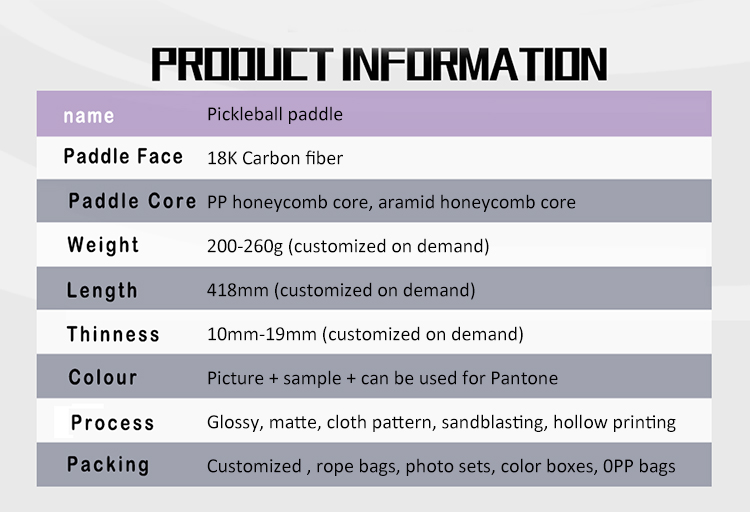
Today’s paddles typically feature surfaces made of carbon fiber, fiberglass, or graphite. Each material reacts differently upon ball contact, affecting spin, control, and power. In this article, we’ll focus specifically on the comparison between carbon fiber and fiberglass paddles.
Carbon Fiber Pickleball Paddles
Advantages:
- Lightweight and Maneuverability
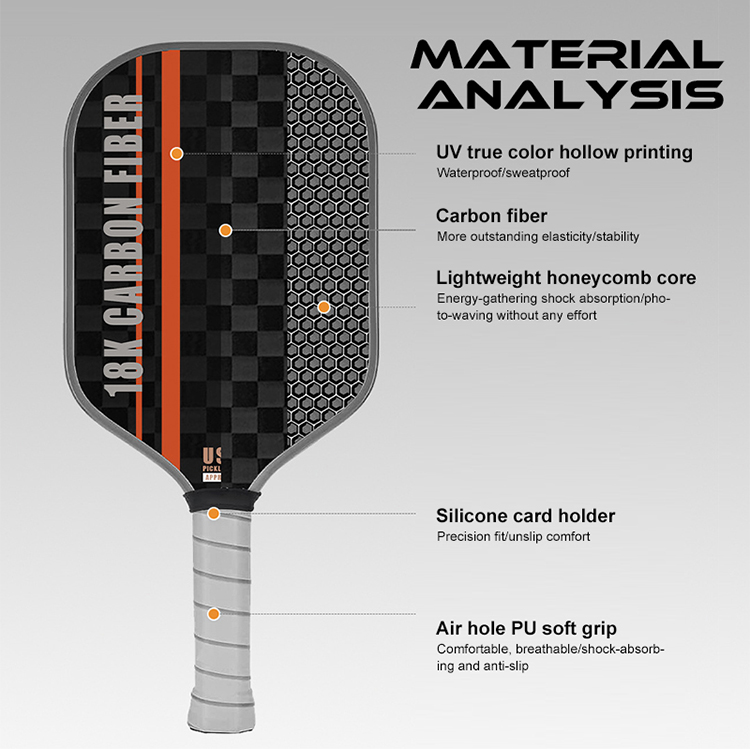
Carbon fiber paddles are known for their light weight, allowing quick hand movements and better reaction time at the net.
They’re ideal for players who value maneuverability and speed.
- Increased Power and Control
Thanks to their rigid and dense surface, carbon fiber paddles deliver precise ball control and consistent power, especially for dinks, drives, and third-shot drops.
- Durability and Longevity
Carbon fiber is a premium material that offers excellent durability. These paddles tend to maintain performance over time, even with frequent play.
Disadvantages
- Cost Factor
One downside is price—carbon fiber paddles are often more expensive due to advanced materials and manufacturing processes.
- Feel and Feedback
Some players feel that carbon fiber paddles have less "pop" or tactile feedback compared to fiberglass, especially for softer shots.
Fiberglass Pickleball Paddles
Advantages
- Versatility and Comfort
Fiberglass paddles offer a more forgiving touch and are often praised for their comfortable feel, making them a great choice for beginners and casual players.
- Sweet Spot Dynamics
Fiberglass paddles often have a larger sweet spot, giving players more control and reducing mishits, which is beneficial for developing skills.
- Cost-Effectiveness
Compared to carbon fiber, fiberglass paddles are more affordable, making them attractive for recreational players or those on a budget.
Disadvantages
- Weight Considerations
Fiberglass paddles are typically heavier than carbon fiber ones, which might reduce quickness at the net or tire the arm faster during long matches.
- Potential for Wear
While durable, fiberglass can show signs of wear faster than carbon fiber, especially under heavy use.
Key Takeaways
Carbon fiber paddles are best known for their lightweight design, control, and durability, but they come at a higher price point.
Fiberglass paddles offer comfort, forgiveness, and affordability, but may wear down faster and are slightly heavier.
Recommendations for Players
1.Beginners or casual players:
Choose fiberglass paddles for better feel and value.
2.Intermediate to advanced players:
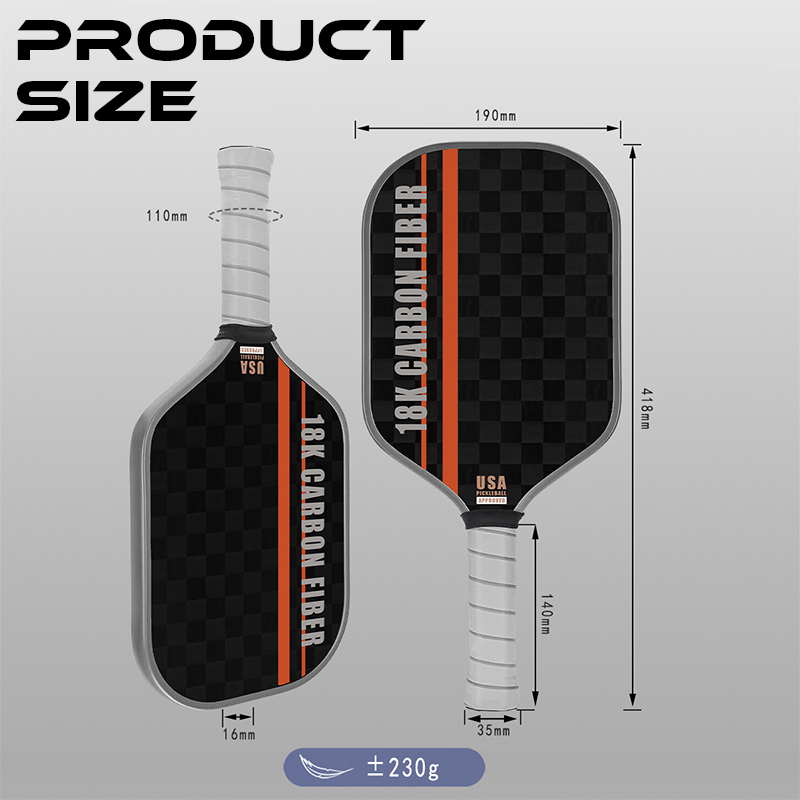
Consider carbon fiber paddles for precision, speed, and long-term performance.
Still not sure which paddle is right for you?
Visit melorsfitness.com — we’re a professional manufacturer offering a range of high-quality carbon fiber and fiberglass pickleball paddles. Whether you're just starting or playing competitively, we have the right paddle for your game.

